The Dark Side of AI: 7 Shocking Risks You Need to Know

May 15, 2025
Artificial Intelligence (AI) tools have become mainstream. From generating content in seconds to editing videos with a single click, AI seems to offer endless possibilities. But as these tools become more powerful and accessible, few people are talking about the risks that come with them.
This article explores the hidden drawbacks of AI tools, helping you make smarter, more responsible decisions.
1. Over-Reliance Can Kill Creativity

AI tools like ChatGPT, Jasper, or Copy.ai are great for speed—but they may discourage original thinking. When creators rely too heavily on AI-generated content, their personal voice and creativity start to fade. Subtle nuances, cultural context, and emotional depth are often missing in AI outputs.
If every blog post or script starts sounding the same, it’s often because the same AI tools are being used without any personal input. Creativity thrives on constraint, emotion, and experimentation—qualities that AI doesn’t truly understand.
Tip: Use AI as a collaborator, not a replacement. Start with your own ideas and let AI enhance them.
2. Data Privacy Isn’t Always Guaranteed
Every time you feed personal data into an AI tool, you’re taking a risk. Many users don’t realize that some free or beta tools may store, analyze, and reuse their inputs for training purposes.
Some platforms may share data with third-party partners or lack proper encryption. In worst-case scenarios, private information can be exposed, either accidentally or through security breaches.
External reference: Mozilla’s Privacy Not Included has exposed serious privacy concerns in several AI platforms. Always review a tool’s privacy policy before sharing sensitive content.

Pro Tip: Avoid inputting client data, passwords, or personal identifiers into AI tools—especially free or unverified ones.
3. Misinformation and Inaccuracy
AI-generated content often sounds polished and authoritative, but it can be factually incorrect. These tools predict words based on patterns—not truth. This becomes dangerous when misinformation spreads through blog posts, videos, or academic content.
For example, an AI might quote a fake study or mix up dates and names. Even worse, if you’re using AI for financial, legal, or health content, mistakes can have serious consequences.
Related read on our site: 10 AI Tools Every Student Should Use for Better Grades—and how to double-check their accuracy.
4. Ethical Concerns and Deepfakes
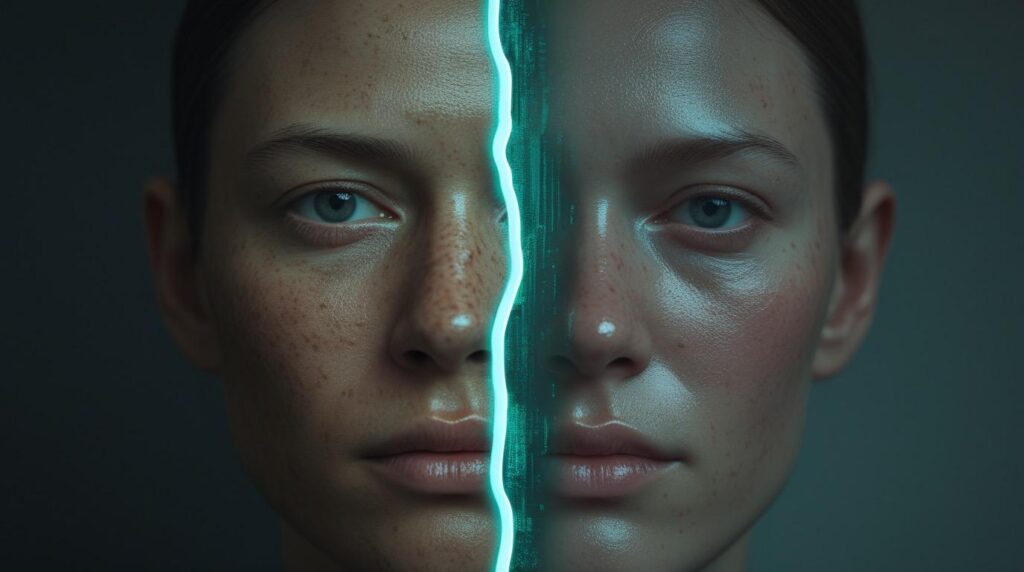
One of the most alarming dangers is misuse. Some AI tools can generate deepfake videos, fake news, or impersonate voices, creating ethical and even legal issues. In 2025, there has been a surge in AI-generated scams that look and sound real.
From phishing scams to manipulated political videos, the line between real and fake is becoming harder to spot.
Real Example: In early 2025, a deepfake impersonation of a CEO led to a multimillion-dollar fraud case when employees followed false voice commands.
Lesson: The same tech that can create educational videos can also create deception. Regulation hasn’t caught up, so users must be vigilant.
5. Skill Degradation in the Long Run
By outsourcing everything from writing to brainstorming, users may lose core skills. Critical thinking, research, grammar, and even communication abilities can decline if we rely on AI for every task.
It’s like using a calculator for everything—you eventually forget how to do basic math.
Use AI to sharpen your skills, not replace them. For example, let AI draft your blog post outline, but challenge yourself to write the first draft.
6. Bias in AI Outputs
AI models are trained on massive datasets that include the biases of the internet—racial stereotypes, gender roles, cultural misunderstandings, and more. That means the outputs can reflect harmful or outdated views.
Creators who publish content without reviewing it for bias can unintentionally spread misinformation or reinforce stereotypes.
Tip: Always proofread and test outputs for inclusivity and sensitivity—especially when your content reaches a global audience.

7. Costly Subscriptions That Lock You In
Many AI tools start free—but quickly move to expensive subscription models. Once you’ve built a workflow around a tool, switching becomes hard. You may feel “locked in” and forced to pay monthly fees just to maintain momentum.
What starts as a $10/month tool can add up to hundreds of dollars annually across multiple platforms.
Pro tip: Always compare alternatives, read the fine print, and take advantage of annual discounts or educational pricing when available.
8. Legal Uncertainty Around AI Use
The laws surrounding AI-generated content are still unclear and evolving. For instance, who owns the copyright to AI-generated text or images? Can you monetize AI content legally without violating terms of service?
Using AI tools for client work can lead to unexpected issues if you’re not clear on content ownership or usage rights.
Tip: Stick with platforms that are transparent about licensing. When in doubt, combine AI content with your own input to maintain originality and compliance.
Final Thoughts: Power Without Control Is a Threat
AI is like fire—it can cook your food or burn down your house.
While the benefits of AI tools are undeniable, awareness of the risks is what makes you a smart user. As you explore new tools to boost productivity, remember to question, evaluate, and personalize.
Don’t let convenience override ethics, privacy, or creativity.
Takeaway: AI is here to stay, but so is your responsibility as a creator. Use these tools wisely, and you’ll find the perfect balance between automation and authenticity.
At AI Guide Lab, we help you navigate both the light and the dark sides of AI.